Classic Aioli Sauce Recipe
Highlighted under: Global Recipe Vault
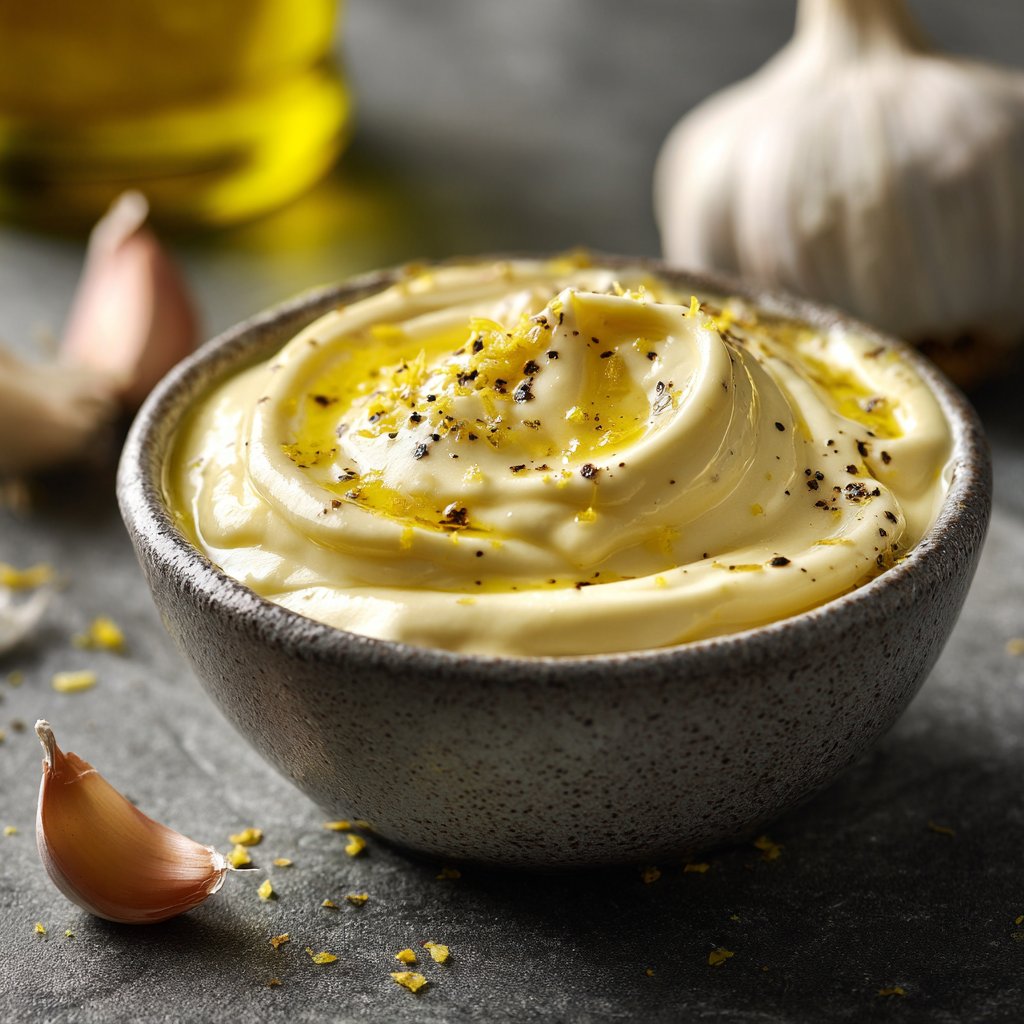
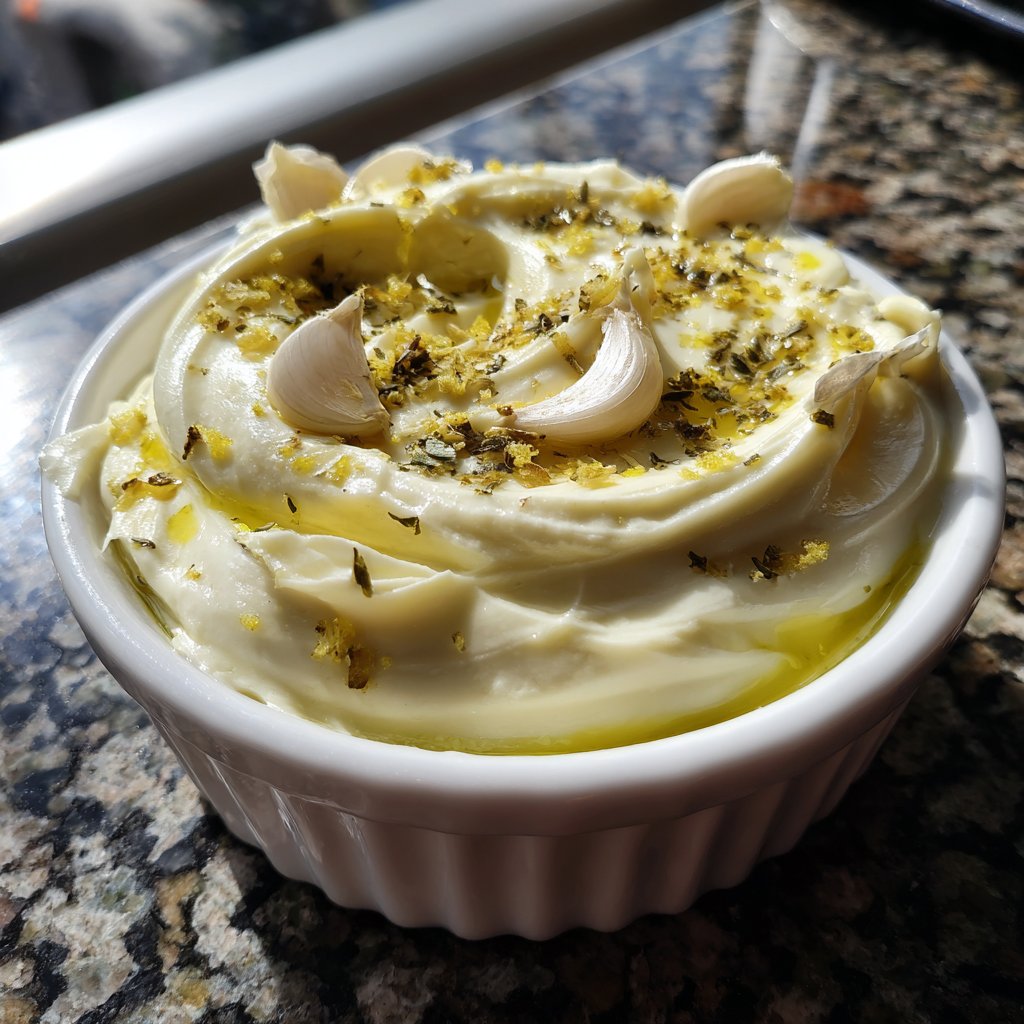
I absolutely love making aioli; it brings a burst of flavor to so many dishes. The creamy, garlic-infused sauce is incredibly versatile, pairing perfectly with everything from roasted vegetables to grilled meats. I always find myself experimenting with different ingredients, whether it’s a splash of lemon juice or a hint of smoked paprika. This classic aioli recipe has become my go-to, elevating simple meals into gourmet delights. Follow along to create a sauce that will impress your family and friends!
When I first attempted to make aioli, I was intimidated by the traditional methods. However, I learned that mixing fresh garlic with egg yolks and a slow drizzle of oil creates the best emulsion. It's all about patience, and I love taking the time to whisk it just right. Each time I make this sauce, I feel a sense of accomplishment.
One of my favorite tips is to use fresh garlic because it has a more robust flavor than pre-minced options. I also enjoy adding a bit of lemon zest to elevate the flavors further. This aioli has become a staple in my kitchen, enhancing everything from sandwiches to salads.
Why You'll Love This Recipe
- Rich and garlicky flavor that enhances every dish
- Creamy texture that adds depth to your meals
- Quick and easy preparation for a homemade touch
The Importance of Fresh Garlic
Using fresh garlic in your aioli is crucial for achieving that punchy, vibrant flavor. Pre-minced garlic lacks the aromatic depth and complexity that fresh cloves provide. When you mince garlic yourself, you release its natural oils, which significantly enhances the overall taste of the sauce. Plus, the sharper bite of fresh garlic can be balanced out by the rich creaminess of the aioli, creating a well-rounded dressing that's irresistible.
For an even deeper garlic flavor, consider letting the minced garlic sit for about 10 minutes before mixing it with the egg yolks. This allows the allicin compounds, which are responsible for garlic's health benefits and flavor, to develop fully. I often recommend this simple technique to elevate the final taste of the aioli.
Techniques for Emulsification
Emulsification is the key to achieving that luscious, creamy texture in your aioli. To ensure a successful emulsion, it's imperative that your ingredients are at room temperature, especially the egg yolks and olive oil. Cold ingredients can cause the emulsion to break, resulting in a runny sauce. If you're short on time, I suggest placing the olive oil in a warm spot for a few minutes before use.
Begin by adding the olive oil slowly, just a few drops at a time. As you whisk continuously, you'll notice the mixture beginning to thicken. This gradual incorporation helps create a stable emulsion. If your aioli does split, don’t panic! You can save it by whisking in a teaspoon of warm water to reintroduce stability, or start with a new egg yolk and gradually whisk in the broken mixture.
Storing and Serving Suggestions
Aioli can be stored in the refrigerator for up to one week, making it a fantastic make-ahead option. When storing, place it in an airtight container to keep it fresh. However, the flavors may intensify over time, so taste it before serving to see if you need to adjust with a bit more lemon juice or seasoning. If you plan to use it later, give it a stir to redistribute the ingredients.
This sauce is versatile and pairs beautifully with a wide range of foods. While it’s an excellent dip for crispy roasted vegetables or fries, I also love using it as a spread in sandwiches or drizzling it over grilled meats and seafood. For a twist, try mixing in different herbs, such as fresh basil or dill, to create variations that bring exciting new flavors to your meals.
Ingredients
Ingredients
Classic Aioli Ingredients
- 2 large egg yolks
- 4 cloves of garlic, minced
- 1 cup olive oil
- 2 tablespoons lemon juice
- Salt to taste
- Pepper to taste
Combine these simple ingredients for a deliciously smooth aioli!
Instructions
Instructions
Combine Egg Yolks and Garlic
In a bowl, whisk together the egg yolks and minced garlic until well combined.
Add Olive Oil
Gradually add the olive oil while continuously whisking to create a smooth and emulsified sauce.
Add Lemon Juice
Stir in the lemon juice and season with salt and pepper to taste.
Serve
Enjoy your homemade aioli as a dip, spread, or accompaniment to your favorite dishes!
Serve fresh for the best flavor and keep refrigerated for up to one week.
Pro Tips
- To enhance the flavor, feel free to add fresh herbs such as parsley or dill to your aioli.
Ingredient Substitutions
If you're looking for a lighter version of aioli, you can substitute part of the olive oil with an equal volume of Greek yogurt. This will still give you a creamy texture but reduce the calorie count. Just keep in mind that the flavor will be slightly different. You can also experiment with infused oils, like garlic or lemon oil, for an added layer of taste.
For those looking to avoid raw eggs, consider opting for pasteurized eggs. They maintain the integrity of the recipe while ensuring safety. Alternatively, using an egg substitute such as aquafaba—the liquid from canned chickpeas—can create a vegan aioli with the same smooth texture.
Aioli Variations to Try
Don't hesitate to get creative with your aioli! Adding smoked paprika introduces a delightful smokiness that pairs well with grilled dishes. For a spicy kick, mix in a teaspoon of sriracha or a chopped Jalapeño; it elevates the flavor profile without compromising the creamy texture. The possibilities are endless, and each variation can become a new family favorite.
Consider incorporating fresh herbs to customize your aioli. Chopped parsley, cilantro, or chives can add a refreshing taste that complements dishes like fish or seafood. You can also experiment with adding roasted red peppers for a sweet, vibrant twist, giving your aioli a unique color and flavor that stands out.
Questions About Recipes
→ Can I use mayonnaise instead of egg yolks?
Yes, using mayonnaise can save time, but it will adjust the flavor profile.
→ How long can I store aioli?
You can store homemade aioli in the refrigerator for up to one week.
→ Can I make aioli without eggs?
Absolutely! You can use aquafaba (the liquid from chickpeas) as a substitute for eggs.
→ What are some variations of aioli?
You can experiment by adding roasted red peppers, chipotle, or herbs like basil for different flavor profiles.
Classic Aioli Sauce Recipe
Created by: Violet Hart
Recipe Type: Global Recipe Vault
Skill Level: Beginner
Final Quantity: 1 cup
What You'll Need
Classic Aioli Ingredients
- 2 large egg yolks
- 4 cloves of garlic, minced
- 1 cup olive oil
- 2 tablespoons lemon juice
- Salt to taste
- Pepper to taste
How-To Steps
In a bowl, whisk together the egg yolks and minced garlic until well combined.
Gradually add the olive oil while continuously whisking to create a smooth and emulsified sauce.
Stir in the lemon juice and season with salt and pepper to taste.
Enjoy your homemade aioli as a dip, spread, or accompaniment to your favorite dishes!
Extra Tips
- To enhance the flavor, feel free to add fresh herbs such as parsley or dill to your aioli.
Nutritional Breakdown (Per Serving)
- Calories: 200 kcal
- Total Fat: 22g
- Saturated Fat: 3g
- Cholesterol: 58mg
- Sodium: 90mg
- Total Carbohydrates: 4g
- Dietary Fiber: 0g
- Sugars: 0g
- Protein: 1g