DIY Chicken Run With Roof
Highlighted under: Speedy Comfort Meals
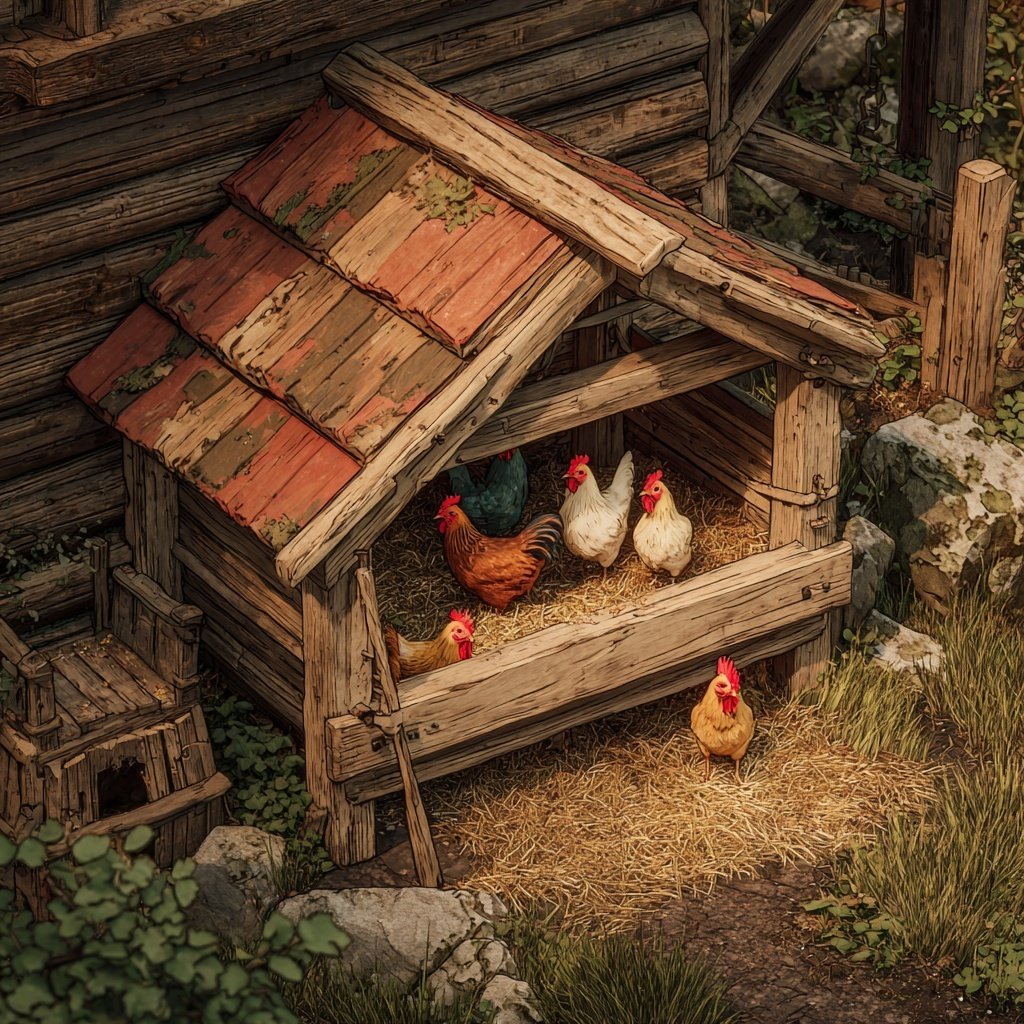
When I decided to build a chicken run, I knew it had to be both functional and safe for my feathered friends. I wanted a structure that would protect them from predators and provide them with ample space to roam. By designing a roofed enclosure, I could ensure their safety and give them a comfortable environment. This project not only brought me joy, but digging into the planning phase taught me the importance of sturdy materials and effective design principles. Let’s dive into how to create a cozy chicken paradise!
As I rolled up my sleeves to build the chicken run, I realized how much planning goes into ensuring it's safe and spacious. I experimented with various layouts and materials, ultimately using treated wood and wire mesh for durability. One important tip I learned was to elevate the structure slightly to avoid moisture, which can lead to rot.
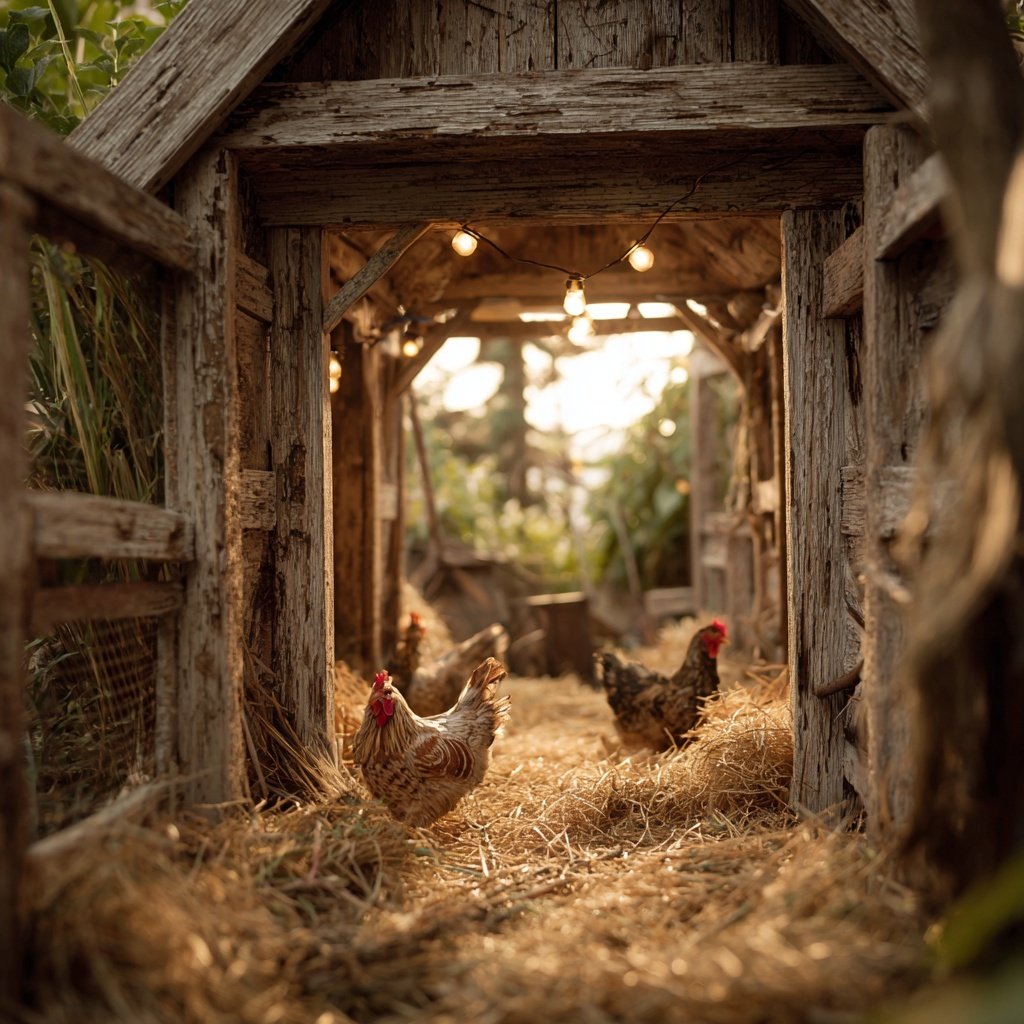
After completing the project, I observed my chickens enjoying their new space filled with natural light and airflow. They’re now safe from aerial predators while still feeling connected to the outdoors, which is vital for their well-being. It was incredibly satisfying to see them thrive in their new home!
Reasons You'll Love This Chicken Run
- Sturdy design that keeps your chickens safe from predators
- Ample space for your chickens to roam and play
- Elevated structure to prevent moisture damage
- Easy to customize based on your own backyard layout
Planning Your Chicken Run
Before diving into construction, careful planning is essential to ensure your chicken run fits seamlessly into your backyard. Begin by measuring the available space and sketching a layout that accounts for your chickens' natural behaviors. Chickens love to scratch and peck, so incorporating a dust bath area or adding perches can enhance their environment. I recommend allowing at least 10 square feet per chicken to promote healthy movement and reduce stress.
Choosing the right location for the run is equally important. Aim for a spot that receives partial shade during the hottest parts of the day to keep your chickens comfortable. Additionally, consider the wind direction to provide shelter from the elements. If laying down a solid foundation of gravel or pavers, ensure proper drainage to prevent moisture buildup that can lead to health issues for your birds.
Materials and Building Tips
When selecting materials for your chicken run, durability is key. Opt for pressure-treated wood for the frame, as it resists rot and insect damage. For the fencing, I recommend using welded wire fencing instead of chicken wire, as it provides added security against predators. The roof should be constructed with materials like corrugated metal panels or heavy-duty plastic sheeting, which are effective in shielding your chickens from rain and snow while allowing natural light to filter through.
During construction, pay attention to the assembly of joints and corners to ensure the structure is sturdy. Using galvanized screws rather than standard nails can provide extra strength. As you build, regularly check for any sharp edges or protrusions that could injure your chickens, and sand down any rough spots to maintain a safe environment.
Enhancing Your Chicken Run
Once the basic structure is complete, it’s time to personalize your chicken run. Adding features such as a nesting box or a feeding area can significantly enhance functionality. If you're providing nesting boxes, consider their placement; they should be in a quiet, low-traffic area within the run to encourage egg-laying. Additionally, integrating a simple watering system, such as nipple waterers, can keep your chickens hydrated without wasting water.
Consider planting chicken-friendly herbs or flowers around the run to provide natural enrichment for your birds. Plants like marigolds and basil not only enhance the aesthetic but can also deter pests. Rotating your chickens to different sections of the run can further minimize wear on the ground, allowing grass and other plants to grow back.
Pro Tips
- Make sure to check local regulations regarding chicken keeping and be mindful of your chickens' specific needs in terms of space and shelter.
Troubleshooting Common Issues
If your chickens seem stressed or are pecking each other more than usual, this may indicate that their space is too cramped. Ensure you have adequate square footage and consider expanding the run if necessary. Additionally, providing visual barriers with elements such as small boards or hanging plants can help minimize aggression by giving chickens their own space.
Occasionally, you might notice signs of wear on the roofing material, especially after heavy storms. Regularly inspect the roof for leaks or damages and replace compromised sections promptly to maintain a dry environment for your chickens. A quick fix might involve resealing seams with waterproof tape or applying a fresh layer of roofing paint to extend its lifespan.
Make-Ahead and Seasonal Adjustments
If you plan to introduce new chickens into your flock, consider a quarantine area within the run. This space allows for the acclimatization of new birds without risking the health of your existing flock. It can simply be a separate, smaller enclosure within the main run, affording both groups safety and ample opportunity to observe each other before cohabiting.
As the seasons change, be prepared to adjust your run's interior. In colder months, consider adding straw or hay as bedding to insulate against the chill. During summer, provide shaded areas with tarps or leafy branches to help your chickens stay cool. Regularly refreshing these materials can significantly improve the comfort of your chickens throughout the year.
Questions About Recipes
→ What materials do I need for a chicken run?
You'll need treated wood for the frame, wire mesh for the walls, and roofing materials like corrugated plastic or metal.
→ How large should a chicken run be?
A general guideline is 10 square feet per chicken, but more space is always better for their health and happiness.
→ Do I need to secure the run against predators?
Yes, it's essential to ensure the run is securely enclosed with wire mesh and has no gaps that predators can exploit.
→ How high should the roof of the chicken run be?
The roof should be high enough for you to comfortably move around, typically around 6 to 8 feet, depending on your height and needs.
DIY Chicken Run With Roof
Created by: Violet Hart
Recipe Type: Speedy Comfort Meals
Skill Level: Intermediate
Final Quantity: 1
Extra Tips
- Make sure to check local regulations regarding chicken keeping and be mindful of your chickens' specific needs in terms of space and shelter.
Nutritional Breakdown (Per Serving)
- Calories: 0 kcal
- Total Fat: 0g
- Saturated Fat: 0g
- Cholesterol: 0mg
- Sodium: 0mg
- Total Carbohydrates: 0g
- Dietary Fiber: 0g
- Sugars: 0g
- Protein: 0g