Salmon en Papillote with Citrus
Highlighted under: Global Recipe Vault
I love making Salmon en Papillote with Citrus because it’s an effortless yet elegant dish that impresses every time. The process of steaming the salmon in parchment paper locks in all the delightful flavors of fresh citrus, making each bite a burst of brightness. Whenever I make this recipe, I’m amazed at how quickly it comes together while still feeling special enough for a dinner party. Plus, the clean-up is a breeze, which is always a win in my book!
When I first experimented with cooking salmon in parchment paper, I was struck by how it creates a mini steamer that captures the moisture and flavors beautifully. I paired the salmon with bright citrus slices, and the results were stunning—a savory dish that’s also refreshing. One tip I’ve learned is to add a splash of white wine for an extra layer of flavor; it elevates the dish without extra effort.
During our last family dinner, this salmon en papillote truly stole the show. Everyone loved how the fish was tender and flaky, infused with citrus aroma. For an added touch, I served it alongside a simple green salad, which balanced the richness perfectly. Cooking in parchment not only makes for a moist fish but also an impressive presentation!
Why You Will Love This Recipe
- Delicate flavors harmonized with fresh citrus notes
- Quick to prepare, making it perfect for weeknight dining
- Minimal cleanup with an elegant presentation
Mastering the Papillote Technique
The key to a successful Salmon en Papillote lies in creating a perfectly sealed packet. When folding the parchment, start by folding it in half and cutting it into a heart shape. This not only looks appealing but ensures even cooking. Crimping the edges tightly is crucial; any gaps will let the steam escape, resulting in dry fish. Take care to check the seal before placing it in the oven to maximize the infusion of flavors.
Timing is also essential to achieve that tender, flaky salmon. Depending on the thickness of your fillets, baking them at 400°F (200°C) should take around 15-20 minutes. Keep an eye on them; salmon should be opaque and flake easily with a fork when done. Overcooked salmon will lose moisture and flavor, so a quick check at the 15-minute mark helps ensure a perfect outcome.
Choosing Fresh Citrus
The citrus fruits you use will significantly influence the dish's flavor profile. Fresh, in-season oranges, lemons, and limes provide the best zesty kick, enhancing the salmon's natural richness. Opt for fruit that is firm and fragrant; a hint of sweetness from the oranges can balance the salmon’s savory notes beautifully. If you're looking for a twist, try incorporating grapefruit slices for a slightly bitter contrast, or tangerines for extra sweetness.
Don't hesitate to experiment with the types of citrus as well. Blood oranges not only add a stunning color but also a unique flavor. When layering the slices, ensure they slightly overlap to create an even cook and infuse maximum aroma into the salmon. This layering technique also adds visual appeal when you present the dish.
Serving Suggestions and Variations
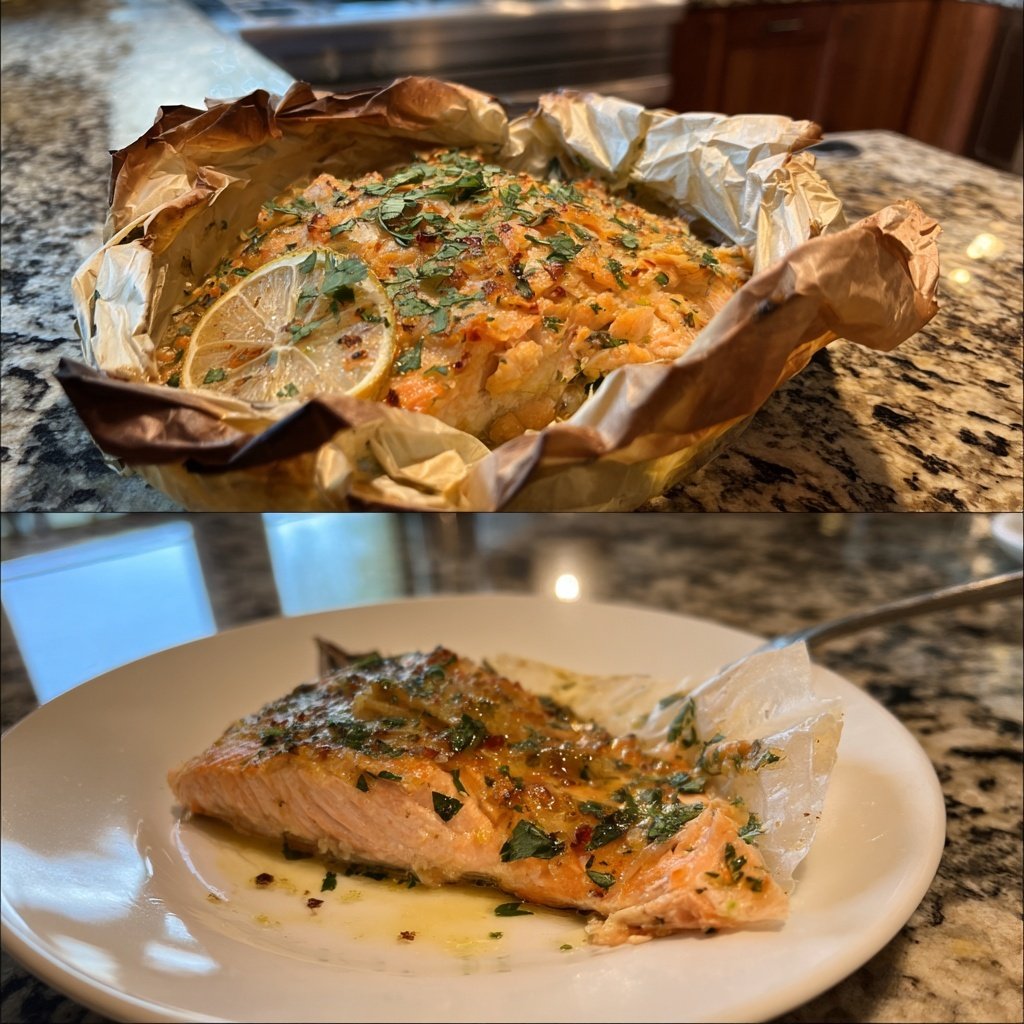
Serving Salmon en Papillote offers plenty of opportunities to get creative. For an elegant dinner, pair it with a simple quinoa salad or steamed asparagus to complement the bright citrus flavors. The parchment can be served directly on the plate for a rustic presentation; just tear it open at the table to reveal the beautifully steamed fish and aromatic herbs.
If you want to make it a complete meal, consider incorporating vegetables. Asparagus, bell peppers, or zucchini can be added to the packet, tossed with olive oil and seasoning. They will cook alongside the salmon, soaking up the citrus essence, and can be an easy way to add color and nutrition. This one-pan approach makes for an easy dinner that’s both impressive and satisfying.
Ingredients
Ingredients
For the Salmon
- 2 salmon fillets
- 1 orange, thinly sliced
- 1 lemon, thinly sliced
- 1 lime, thinly sliced
- 2 tablespoons olive oil
- Salt and pepper, to taste
- Fresh herbs (e.g., dill or parsley) for garnish
Instructions
Instructions
Preheat the Oven
Preheat your oven to 400°F (200°C) while you prepare the ingredients.
Prepare the Parchment
Cut two large pieces of parchment paper and fold them in half. Open them up and place the salmon in the center of each piece.
Season the Salmon
Drizzle the salmon with olive oil and season generously with salt and pepper. Layer the orange, lemon, and lime slices over the top.
Wrap the Papillote
Fold the parchment over the salmon, creating a sealed packet. Make sure to crimp the edges tightly to prevent steam from escaping.
Bake
Place the packets on a baking sheet and bake for 15-20 minutes, or until the salmon is cooked through and flaky.
Serve
Carefully open the parchment packets, releasing steam. Garnish with fresh herbs, and enjoy your meal!
Pro Tips
- For added flavor, try incorporating thinly sliced garlic or ginger into the packet before baking. You can also experiment with different seasonal vegetables alongside the salmon.
Ingredient Substitutions
If you don’t have fresh herbs like dill or parsley on hand, consider using dried herbs, though fresh is always preferred for its bright flavor. If you’re looking for a unique twist, fennel fronds can add a mild anise flavor that's a delightful complement to the citrus and salmon. Additionally, for those with dietary restrictions—such as gluten intolerance—this recipe is inherently gluten-free, making it a safe choice for gatherings.
For individuals who prefer a non-fish alternative, you can recreate this technique with chicken breast or tofu. Just be mindful of the cooking times; chicken will typically take a bit longer, around 25-30 minutes, while tofu may require less, about 10-15 minutes depending on thickness. Make sure to adjust the seasoning to complement the other ingredients.
Make-Ahead and Storage Tips
While Salmon en Papillote is best enjoyed fresh, you can prepare the packets in advance. Simply assemble them without cooking, wrap them tightly, and store in the refrigerator for up to 24 hours. When ready to cook, just pop them in the oven straight from the fridge, adding a few extra minutes to the cooking time to ensure everything is heated through thoroughly.
If you have leftovers, store the salmon and vegetables in an airtight container for up to 2 days in the refrigerator. To reheat, you can place them back in the oven wrapped in foil for a few minutes, or gently microwave them in short intervals. Avoid overheating to maintain the texture; it’s best served warm, not hot.
Troubleshooting Common Issues
One common issue with en Papillote cooking is undercooked fish. If you find your salmon isn’t flaking easily after the suggested cooking time, it’s a sign that it needs more heat. Just carefully reseal the packet and return it to the oven for an additional 2-3 minutes, checking closely. Remember that salmon can continue to cook slightly after being removed from the oven, so err on the side of caution to preserve moisture.
If you encounter overly dry salmon, this might be due to high heat or extended cooking time. One helpful tip is to use a meat thermometer; salmon should ideally reach an internal temperature of 145°F (63°C) for perfect doneness. Consider serving with a squeeze of citrus to add some moisture back to the fish.
Questions About Recipes
→ Can I use frozen salmon for this recipe?
Yes, you can use frozen salmon, but make sure to thaw it completely before cooking to ensure even cooking.
→ What should I serve with salmon en papillote?
This dish pairs well with a light salad, steamed vegetables, or rice to soak up the juices.
→ Can I make this recipe ahead of time?
You can prepare the packets ahead of time and refrigerate them, then just bake them when you’re ready to serve.
→ What can I use instead of parchment paper?
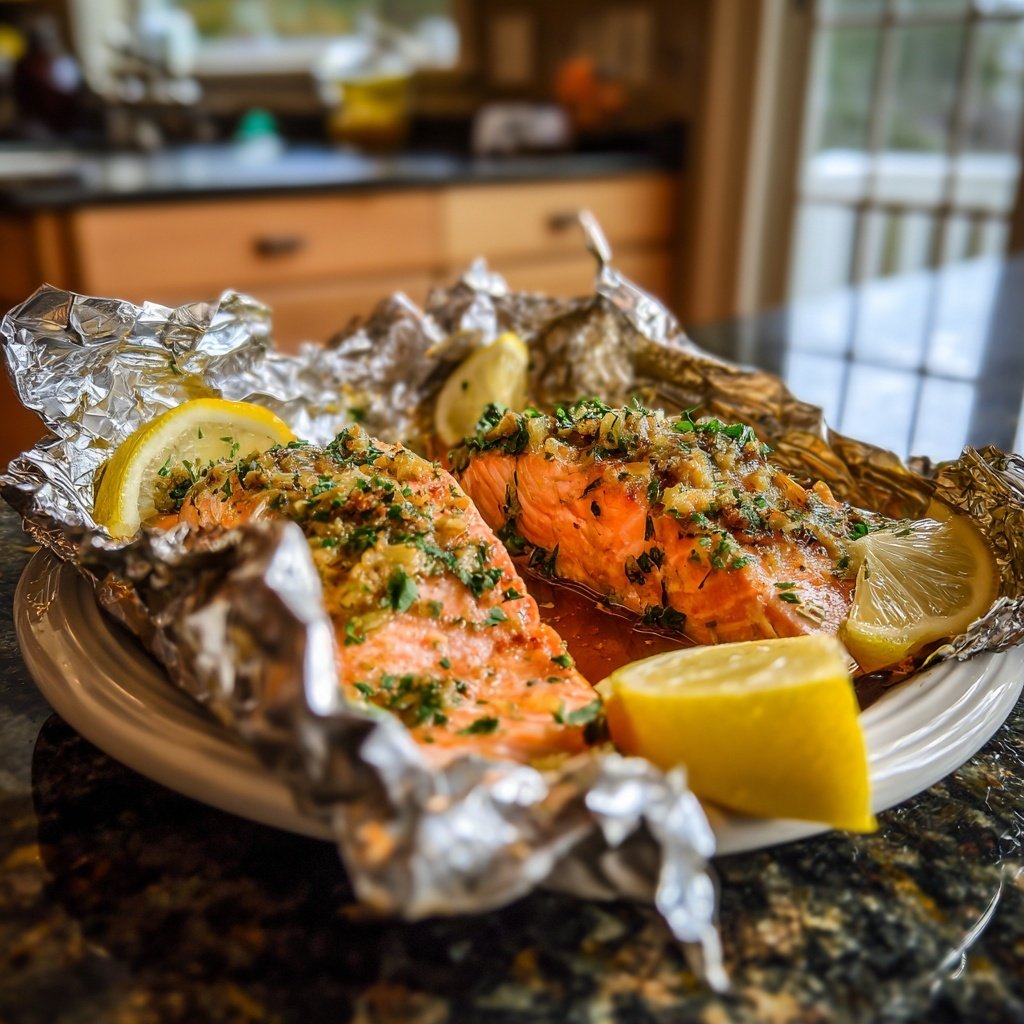
Aluminum foil can also be used to wrap the salmon, but be aware that it may not create the same steaming effect.
Salmon en Papillote with Citrus
Created by: Violet Hart
Recipe Type: Global Recipe Vault
Skill Level: Beginner
Final Quantity: 2 servings
What You'll Need
For the Salmon
- 2 salmon fillets
- 1 orange, thinly sliced
- 1 lemon, thinly sliced
- 1 lime, thinly sliced
- 2 tablespoons olive oil
- Salt and pepper, to taste
- Fresh herbs (e.g., dill or parsley) for garnish
How-To Steps
Preheat your oven to 400°F (200°C) while you prepare the ingredients.
Cut two large pieces of parchment paper and fold them in half. Open them up and place the salmon in the center of each piece.
Drizzle the salmon with olive oil and season generously with salt and pepper. Layer the orange, lemon, and lime slices over the top.
Fold the parchment over the salmon, creating a sealed packet. Make sure to crimp the edges tightly to prevent steam from escaping.
Place the packets on a baking sheet and bake for 15-20 minutes, or until the salmon is cooked through and flaky.
Carefully open the parchment packets, releasing steam. Garnish with fresh herbs, and enjoy your meal!
Extra Tips
- For added flavor, try incorporating thinly sliced garlic or ginger into the packet before baking. You can also experiment with different seasonal vegetables alongside the salmon.
Nutritional Breakdown (Per Serving)
- Calories: 300 kcal
- Total Fat: 18g
- Saturated Fat: 3g
- Cholesterol: 70mg
- Sodium: 250mg
- Total Carbohydrates: 8g
- Dietary Fiber: 1g
- Sugars: 2g
- Protein: 30g